
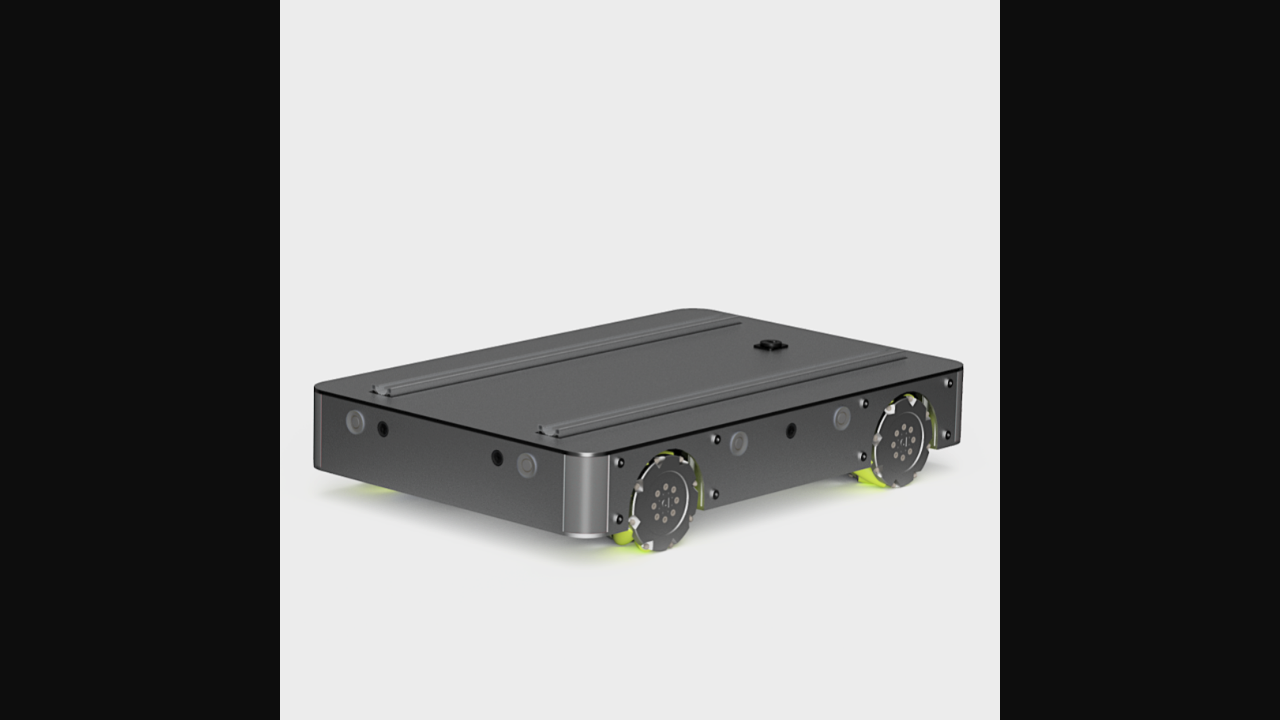
This omnidirectional robot runs on ROS and targets developers building advanced robotics projects. It's the TAAFT model from Olive Robotics, built for people who already know their way around robot operating systems.
The omnidirectional movement means it can travel in any direction without turning first. That's useful for tight spaces or applications where orientation matters. ROS-native compatibility means it talks directly to the Robot Operating System without translation layers or middleware getting in the way.
Here's what's missing from the picture. No specs on payload capacity, battery life, or movement speed. Can't tell what sensors come standard or what the actual dimensions are. The product page doesn't list maximum velocity, obstacle avoidance capabilities, or what kind of terrain it handles. For a development platform, those details matter.
The ROS integration is the main draw. If you're already working in that ecosystem, this slots in without forcing you to learn new frameworks. But that same dependency means you're locked into ROS workflows. No mention of whether it works with ROS 2 or just the original version.
Advanced developers will want more technical documentation before committing. What's the processing power onboard? Can it handle computer vision tasks locally or does everything run offboard? The omnidirectional drive system probably uses mecanum wheels or similar, but the listing doesn't confirm the mechanism.
This works for prototyping and research environments where ROS is already the standard. Less clear is how well it scales from lab testing to production deployments. The TAAFT designation suggests a specific model variation, but without context on what distinguishes it from other olixBot versions, that label doesn't mean much yet.