
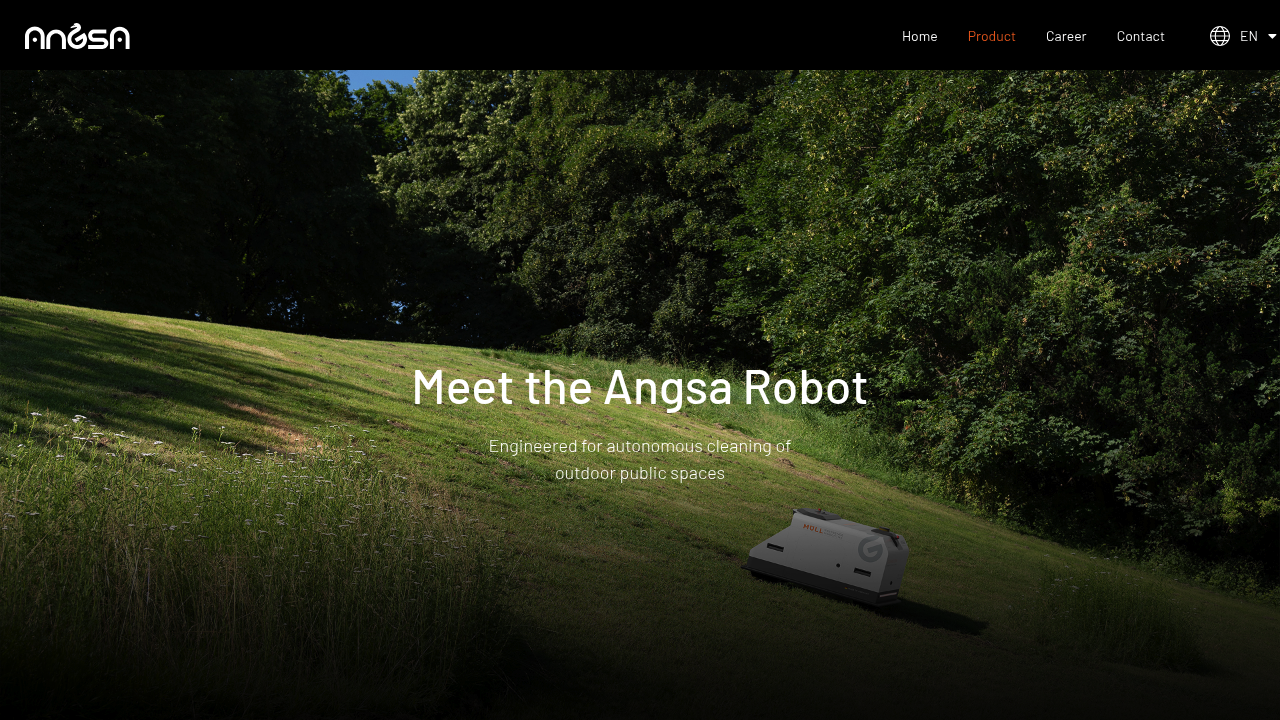
You unpack the robot, place it in the area you want cleaned, and hit start. That's the promised five-minute deployment. No sensors to install around the perimeter, no boundary wires to bury, no reference markers to set up. The thing just goes.
The robot rolls through outdoor spaces scanning the ground with AI-powered cameras. It's looking for specific trash, cigarette butts and bottle caps and plastic bits and glass shards, the small stuff that manual crews miss and traditional sweepers can't handle. The camera system identifies litter and ignores everything else. Not just vacuuming blindly.
It covers up to 8,000 square meters in an eight-hour shift. Collects over 2,000 waste items during that time. Works on grass, gravel, crushed stone, and pavement, basically the surfaces where regular cleaning equipment struggles. The robot stops or steers around obstacles automatically when something crosses its path. Safety certified for public spaces with people walking through.
The interface couldn't be simpler. On, off, start, emergency stop. That's it. No complicated dashboard or configuration screens to wrestle with. GPS tracking runs in the background and alerts you if the robot wanders outside its designated zone.
Here's where it gets frustrating. You're stuck with predefined areas. The robot won't spontaneously handle a new section without setup. And it only collects what fits through the vacuum system, so larger debris gets left behind. The focus stays narrow, outdoor surface cleaning only, nothing else yet.
Maintenance tries to stay painless with swappable modules. When something needs upgrading or replacing, you pop out the old module and snap in the new one. No waiting for a technician to disassemble half the machine.
The battery lasts those eight hours then needs recharging. For organizations dealing with labor shortages and massive outdoor areas, that runtime matters. One shift of autonomous work without supervision.
The robot measures 120 by 80 by 80 centimeters. Substantial but not massive. The target user runs facilities where hiring enough cleaning staff has become impossible and small litter piles up faster than anyone can keep up with manually.
The company mentions future plans for weed removal and landscaping tasks, but right now it's just trash collection. That AI camera system separating actual litter from leaves and dirt remains the standout feature. Most autonomous cleaners just suck up everything. This one looks first.