
Researchers drowning in academic literature need better search tools. Graduate students can't wade through millions of irrelevant papers anymore.
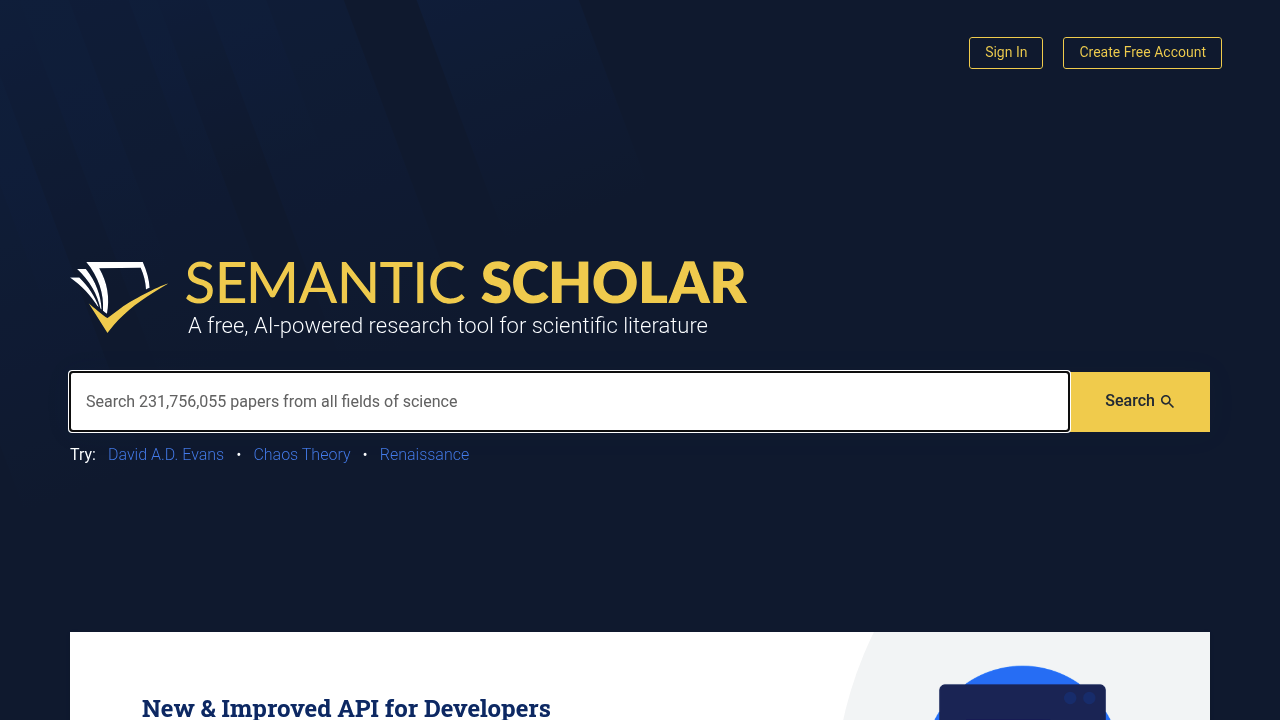
Semantic Scholar searches over 232 million scientific papers using AI that understands content — not just keyword matching. You'll find connections between research that traditional databases miss entirely. It extracts meaning from papers. Surfaces insights across all scientific fields. A postdoc studying climate change mitigation could search for "carbon sequestration" and discover related papers on soil biology. Atmospheric chemistry. Policy frameworks. Stuff that wouldn't show up in keyword searches.
Semantic Reader makes dense academic papers more digestible. It's still in beta and only works with select papers, but it adds context and explanations that help you parse complex research faster.
Developers get API access to build scholarly applications on top of Semantic Scholar's database. Scholar's Hub centralizes your research workflow. Both features are free, which beats paying for access to paywalled academic databases.
Some limitations exist. Reader feature doesn't work with most papers yet. Beta programs mean you're testing unfinished tools.
You won't find flashy features here. Semantic Scholar does one thing well: it helps scholars find and understand scientific literature without the noise that clutters other research platforms. AI models process papers in ways that reveal hidden connections between studies you'd never find manually.