
Grokipedia logo

Grokipedia

A researcher wants to quickly understand quantum computing's fundamentals without wading through dense academic papers or spotty Wikipedia entries

They could submit the topic to Grokipedia, where AI researches and writes an article automatically. This platform's in development and currently shows zero articles available, but the concept's straightforward: users…

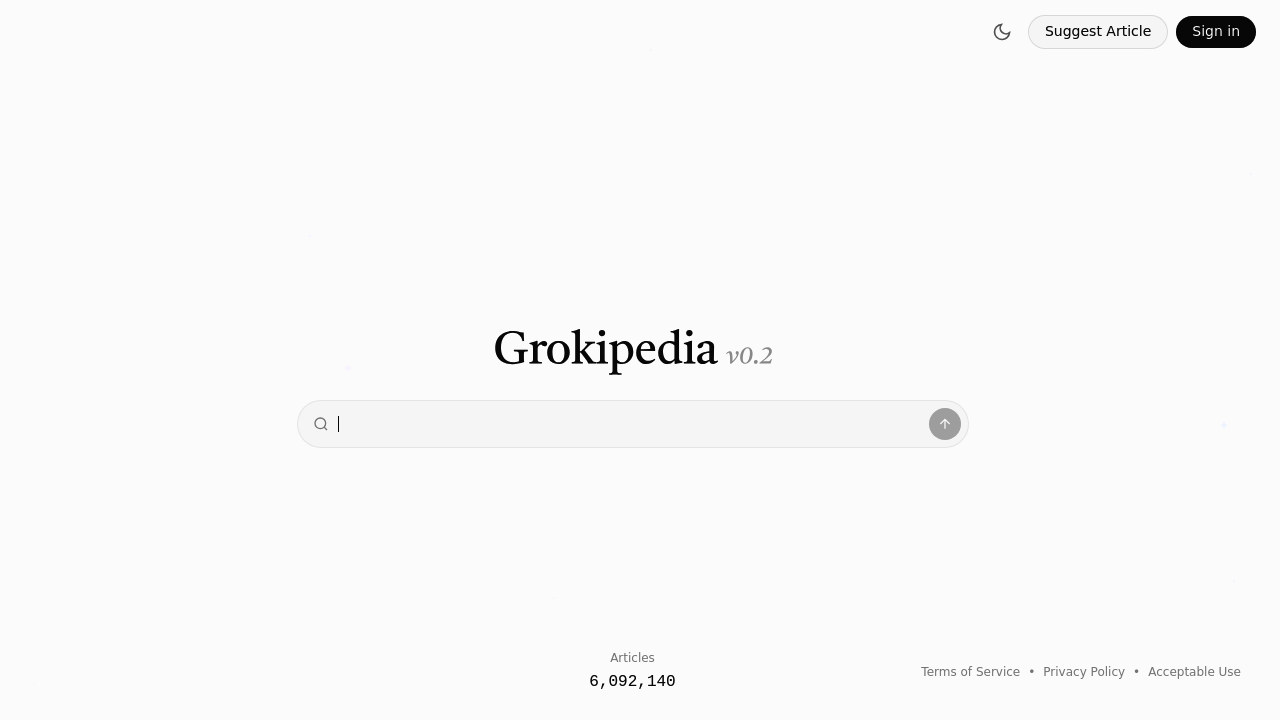
Grokipedia screenshot

A researcher wants to quickly understand quantum computing's fundamentals without wading through dense academic papers or spotty Wikipedia entries. They could submit the topic to Grokipedia, where AI researches and writes an article automatically. This platform's in development and currently shows zero articles available, but the concept's straightforward: users suggest topics through a simple form, and if the AI deems them suitable, it creates encyclopedia entries.

The suggestion system takes two optional fields: topic and details. You can be as brief or specific as you want. The interface pre-populates examples like Transformer, The Beatles, Albert Einstein, and Nobel Prize categories to show what works well. This platform explicitly recommends focusing on notable people, events, and concepts. Being specific helps. So does checking whether an article already exists.

An undergraduate writing a paper on artificial intelligence history might submit "The Dartmouth Conference" as a topic. A science communicator preparing content about physics breakthroughs could request an article on CERN's latest discoveries. A teacher building lesson plans might suggest "Queen's impact on rock music" to supplement classroom materials. Each submission goes to the AI, which decides if it'll create the article.

Here's where things get unclear. This platform says AI creates articles "if suitable" but doesn't define suitability criteria. That's frustrating. You could spend time crafting a thoughtful suggestion only to have it rejected without explanation. The development status means functionality's uncertain. Zero articles exist right now, so there's nothing to evaluate for quality, depth, or accuracy.

The free access model works for students, hobbyists, and anyone building knowledge bases without budget constraints. Teachers preparing supplementary materials won't hit paywalls. Independent researchers exploring niche topics can submit without cost concerns.

But professionals needing reliable, immediate information shouldn't rely on this. The AI might not create your suggested article at all. Corporate researchers with tight deadlines need established resources. Academics citing sources in publications require peer-reviewed materials, not AI-generated encyclopedia entries of uncertain provenance. Anyone expecting thorough coverage will hit walls quickly—the article count speaks for itself.

This platform's basically a waiting game. You suggest, then hope the AI agrees your topic's worthy and creates something useful. That unpredictability makes planning around it impossible. Development status means features could change or never fully materialize. Right now, it's more concept than functional encyclopedia.


Grokipedia alternatives

See all →

Frequently asked

6 questions
Is Grokipedia free to use?
Grokipedia offers completely free access to suggest articles and use the encyclopedia. A content creator building a knowledge base about music history could submit topics like The Beatles or Queen's rock music influence without hitting paywalls. Teachers developing lesson materials can request articles on quantum computing or artificial intelligence at no cost. The free model removes budget barriers for students, hobbyists, and educators who need supplementary research materials.
How does Grokipedia create articles?
Users submit topics through a suggestion form with optional topic and details fields, then AI researches and writes articles automatically if it deems them suitable. An undergraduate researching AI history might submit 'The Dartmouth Conference' as a topic, and the AI decides whether to create that entry. A science communicator could request an article on CERN discoveries by filling out the suggestion form. The platform doesn't explain what makes topics suitable, so submissions might get rejected without clear reasoning.
What types of topics work best on Grokipedia?
Grokipedia recommends focusing on notable people, events, and concepts with specific details rather than vague requests. A teacher preparing physics lessons would have better luck requesting 'Nobel Prize in Physics winners 2020s' than just 'physics awards.' Someone researching music history should submit 'Transformer album by Lou Reed' instead of 'rock albums.' The interface pre-populates examples like Albert Einstein, artificial intelligence, and The Beatles to show what the platform considers appropriate topics.
Can Grokipedia replace Wikipedia for research?
Grokipedia currently shows zero articles available and remains in development, making it unreliable for immediate research needs. An academic writing a paper can't cite sources from a platform with no existing content and uncertain article creation. Corporate researchers facing tight deadlines need established, peer-reviewed resources rather than waiting for AI to maybe create an article. Students wanting quick reference materials would find Wikipedia, Google Scholar, or established encyclopedias far more dependable right now.
Does Grokipedia guarantee it will create my suggested article?
The AI only creates articles 'if suitable' with no clear criteria for what qualifies, meaning suggestions might never become articles. A researcher submitting a thoughtful request about a niche historical event could wait indefinitely without knowing if the AI accepted it. Someone building lesson plans around specific topics can't rely on Grokipedia to deliver needed content on schedule. This unpredictability makes planning impossible—you're essentially hoping the AI agrees your topic deserves coverage.
What information do I need to suggest a Grokipedia article?
The suggestion form has two optional fields: topic and details, so you can submit with as much or little information as you want. A science communicator might just enter 'quantum computing' in the topic field and leave details blank. Someone wanting deeper coverage could write 'The Beatles' as the topic and add details about wanting their cultural impact covered specifically. The platform recommends being specific and checking whether an article already exists before submitting.

Traffic

Estimated monthly website visits · last 7 months

3.1M visits/mo
Monthly visits
3.1M
↓ 60.6% MoM
Global rank
#9,925
US #6,425
Category rank
#16
AI Research Tool
7.8M 6.6M 5.4M 4.2M 3.1M Feb 2026: 7.1M visits Feb 2026 Mar 2026: 5.1M visits Mar 2026 Apr 2026: 5M visits Apr 2026 May 2026: 4.9M visits May 2026 Jun 2026: 6.7M visits Jun 2026 Jul 2026: 7.8M visits Jul 2026 Aug 2026: 3.1M visits Aug 2026

Reviews (0)

Write review

No reviews yet. Be the first to share your experience.