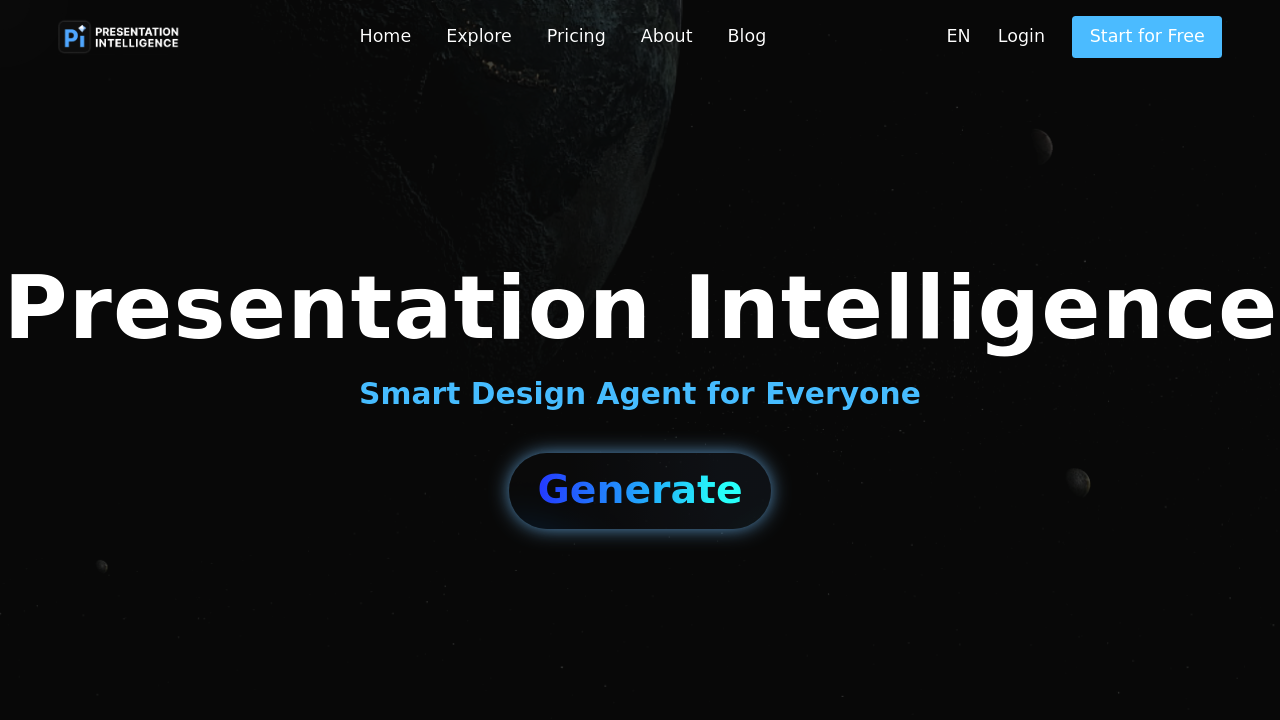
Pi creates presentations by pulling together your scattered materials — notes, PDFs, web links, videos, data files — and turning them into formatted decks within seconds. You throw content at it and get back something structured with visuals. This system calls itself Presentation Intelligence but wants to move past traditional slide decks entirely.
The Smart Fluid Content Framework adapts your presentation dynamically. Same content reshapes itself for different lengths, screen sizes, or output formats without manual reformatting. you are not locked into one static version. The system also includes a Brand Agent that learns your visual identity and tone, then applies them consistently across everything you create. Style Themes use color science to generate different aesthetic approaches while keeping things cohesive.
Does it actually deliver? The multi-modal experience promises music, video, animation, and digital human integration alongside standard slides. that is ambitious. The Knowledge Space feature lets you upload or link data sources so the AI personalizes output based on your materials. Collaboration happens across multiple layers — with AI agents, teammates, and external contributors. API support means you can pipe it into existing workflows without redeploying systems.
What's unclear is execution quality. How good are the auto-generated visuals? Many AI design tools produce mediocre results that need heavy editing. Pi doesn't specify output fidelity or how much manual tweaking typical users need. The "crystal-clear structure" claim is vague. Complex technical presentations might not translate well through automated formatting.
The sharing functionality works across platforms, but there's no detail about export formats or compatibility. Can you easily move content to PowerPoint or Google Slides if needed? That matters for teams working across different tools. No mention of offline access or mobile capabilities either.
The target is everyone, which usually means this software works best for a narrower group than advertised. Likely strongest for business professionals creating standard pitch decks or reports rather than specialized academic or technical presentations. The Brand Agent feature suggests marketing teams would benefit most.
Speed is the clear advantage here — traditional presentation building eats hours. If Pi actually produces usable output in seconds from messy source materials, that's valuable. Just expect to edit. The knowledge integration could work well for people who present frequently on similar topics — build a knowledge base once, then generate variations quickly.
Worth testing if you create lots of presentations and hate the process. The fluid content concept is particularly interesting for people presenting to different audiences.