
Moda appears to be discontinued. Its website has been unreachable across our last three checks. See similar tools below for alternatives.
Moda logo
AI Email Marketing FREEMIUM from $100/mo

Moda

Marketing measurement gets messy when you're running campaigns across a dozen channels

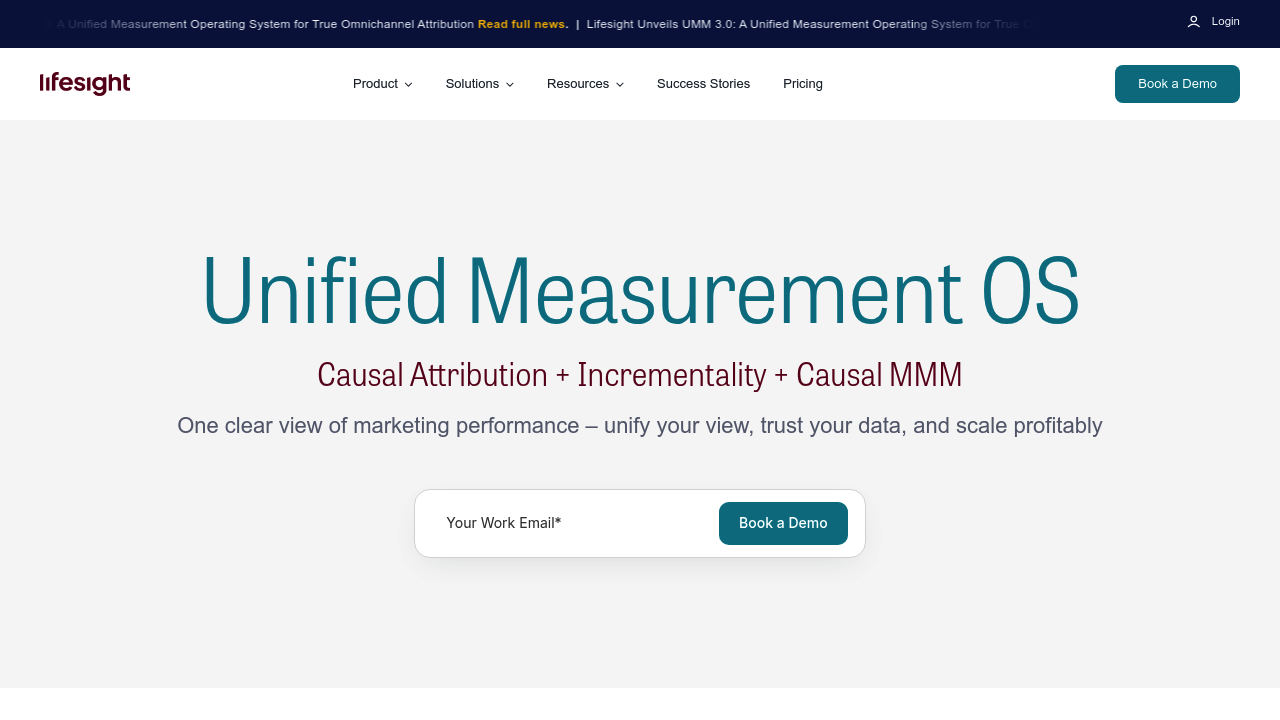
Moda tackles this with what it calls a "Unified Measurement Operating System" that combines three measurement approaches. Causal attribution. Incrementality testing. Marketing mix modeling. Moda has measured over 27…

Moda screenshot

Marketing measurement gets messy when you're running campaigns across a dozen channels. Moda tackles this with what it calls a "Unified Measurement Operating System" that combines three measurement approaches. Causal attribution. Incrementality testing. Marketing mix modeling. Moda has measured over 27 billion in ad spend and works with 300+ companies.

The geo-based incrementality testing is the standout feature. Moda designs and deploys time-based experiments quickly, letting you see which campaigns actually drive incremental sales versus just taking credit for conversions that would've happened anyway. Their causal marketing mix modeling goes beyond basic attribution to find optimal spend levels across channels.

Take a DTC brand running Facebook ads, Google campaigns, and TV spots simultaneously. Moda's incrementality-adjusted attribution would show you which channels deserve credit for that 9.8% average sales lift — not just which ones touched customers last. Real-time optimization recommendations come powered by these causal insights.

Numbers look solid. 23% increase in iROAS. 18% bump in total revenue. Companies report a 48% increase in seasonal iROAS.

The recent UMM 3.0 launch suggests active development. Moda partners with major platforms and recently joined Walmart Connect's partner network. Marketing directors at omnichannel retailers would find this useful when they can't tell if their brand search lift comes from display ads or podcast sponsorships. It won't work well if you're running simple, single-channel campaigns though.

Frequently asked

7 questions
How does Moda's geo-based incrementality testing actually work?
Moda sets up time-based experiments -- they use different geographic regions as test and control groups. They'll run your campaign in some areas while holding back others. Then they measure the actual sales lift versus what would've happened naturally. This way you can see which campaigns actually drive new growth instead of just stealing credit for conversions that were gonna happen anyway.
What's the minimum ad spend needed to use Moda effectively?
Moda doesn't publish specific minimums, but here's what we know -- they've measured over 27 billion in ad spend across 300+ companies. The platform really works best for brands running multi-channel campaigns with serious budgets. You need enough volume to get statistically significant results from incrementality testing. Single-channel or low-spend campaigns won't get much value from their advanced measurement stuff.
Can Moda integrate with platforms like Facebook and Google Ads directly?
Yep, Moda partners with major advertising platforms. They recently joined Walmart Connect's partner network too. They pull data straight from your existing campaigns to build their causal attribution models. This means they can analyze performance across all your channels without making you rebuild campaigns or change how you buy media.
What makes Moda's marketing mix modeling different from basic attribution?
Traditional attribution just tracks customer touchpoints. Moda's causal marketing mix modeling finds optimal spend levels across channels. Instead of saying 'Facebook got the last click,' it tells you exactly how much budget to put into Facebook versus Google versus TV to maximize total revenue. Their models account for seasonality and competitive activity -- stuff that basic attribution completely misses.
How quickly does Moda show results from incrementality tests?
Moda designs and deploys experiments pretty quickly. But actual results depend on your campaign volume and testing duration. Most incrementality tests need several weeks to generate reliable data. You'll see real-time optimization recommendations as data comes in, but the full causal insights (the ones that drive their 23% iROAS improvements) typically need complete test cycles.
Does Moda work for B2B companies or just e-commerce brands?
Moda's case studies focus heavily on DTC and retail brands, but their measurement system works for any business running multi-channel campaigns with trackable conversions. B2B companies with longer sales cycles might find incrementality testing less useful -- it's harder to measure immediate lift. The platform seems built primarily for businesses that can track sales or leads directly back to marketing spend.
What's included in Moda's UMM 3.0 system?
UMM 3.0 is Moda's latest Unified Measurement Operating System. It combines all three measurement approaches: causal attribution, incrementality testing, and marketing mix modeling. The recent launch suggests they've improved how these systems work together. But specific new features aren't detailed publicly -- you'd need to contact them directly for the technical specifics of what changed from previous versions.

Traffic

Estimated monthly website visits · last 0 months

Not enough historical data for a chart yet.

Reviews (0)

Write review

No reviews yet. Be the first to share your experience.