fuelOS logo

fuelOS

Tracking macros gets old when you can't tell if the effort changes how you feel

FuelOS takes a different angle—it links nutrition data to energy levels and mood through daily check-ins. Snap a photo of your meal. The AI identifies food and estimates portions. It calculates calories. Breaks down…

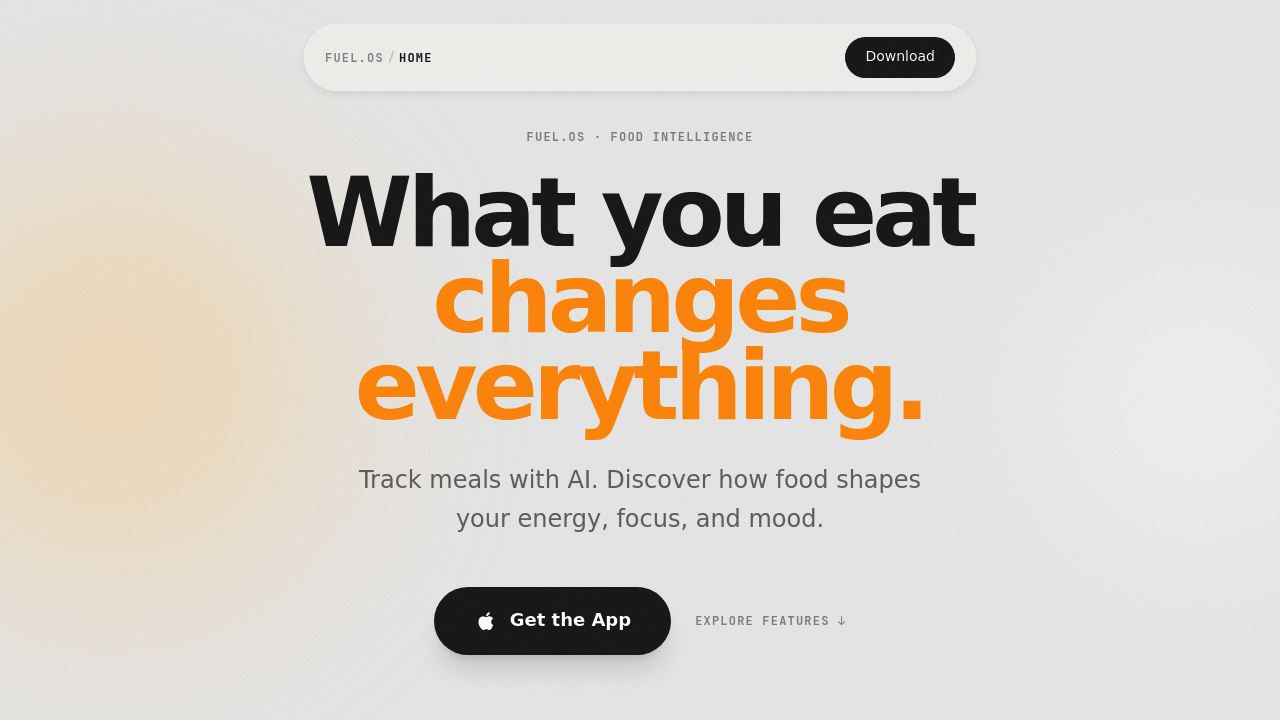
fuelOS screenshot

Tracking macros gets old when you can't tell if the effort changes how you feel. fuelOS takes a different angle—it links nutrition data to energy levels and mood through daily check-ins.

Snap a photo of your meal. The AI identifies food and estimates portions. It calculates calories. Breaks down protein, carbs, and fat in real time.

Numbers aren't the endpoint here. fuelOS asks how you're feeling throughout the day. Energy good? Focus sharp? That correlation between what you ate and how you actually function—that's the center of it. You might hit your 2,800 calorie target and 160g of protein but still feel sluggish. Check-ins help surface those patterns.

Custom goals? You can set them for macros and calories. Photo analysis handles single-shot meal logging. No manual entry unless you want it.

Here's the catch—iOS only right now. It runs on a freemium model (basic tracking won't cost you anything). Users who've tried Yazio and MyFitnessPal mention this as a step up for understanding the "why" behind energy crashes.

A competitive athlete tracking performance metrics would find value here. So would someone trying to figure out why afternoon focus tanks after certain lunches. No API access or developer integrations though. It's built for personal use—not for plugging into other systems or building custom workflows around nutrition data.


fuelOS alternatives

See all →

Frequently asked

7 questions
Does fuelOS work on Android?
Not yet—it's iOS only right now. The app's available as a freemium download from the App Store, but there's no Android version or timeline announced for one.
How does fuelOS track food from photos?
You snap a picture of your meal and the AI identifies what's on your plate, estimates portion sizes, then calculates calories and macros (protein, carbs, fat) in real time. It handles everything from a single photo without manual entry.
What makes fuelOS different from MyFitnessPal?
It connects what you eat to how you actually feel. Beyond tracking macros, fuelOS does daily check-ins about your energy, focus, and mood so you can spot patterns—like why you crash after certain meals even when you hit your numbers.
Is fuelOS free to use?
Yeah, there's a free version that covers basic nutrition tracking. It's freemium, so some features probably require payment, but you can start tracking meals and macros without paying upfront.
Can I set custom macro goals in fuelOS?
Absolutely. You can customize your daily targets for calories, protein, carbs, and fat based on whatever you're working toward—whether that's 160g protein or a specific calorie count like 2,800.
Does fuelOS integrate with other fitness apps?
No, it doesn't offer API access or integrations with other platforms. It's built for personal tracking only, so you can't pull data into other systems or connect it to third-party apps.
Who should use fuelOS?
Anyone trying to understand how food affects their daily performance. If you're an athlete tracking recovery, or just someone wondering why you feel foggy after lunch, the mood and energy check-ins make those connections clearer than standard macro tracking.

Traffic

Estimated monthly website visits · last 0 months

130.3K visits/mo
Monthly visits
130.3K

Not enough historical data for a chart yet.

Reviews (0)

Write review

No reviews yet. Be the first to share your experience.