
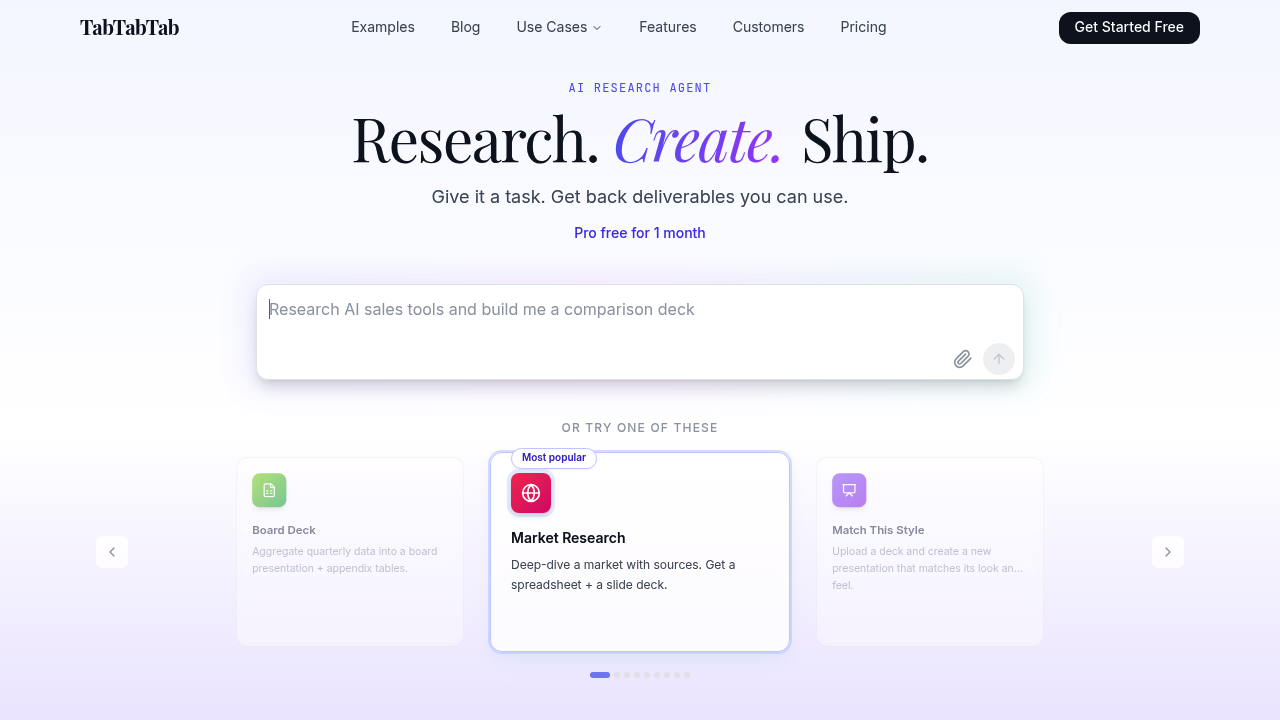
This research agent takes a topic or question and returns finished deliverables rather than just text responses. You ask for market analysis or competitor research, and it produces actual PPTX presentations, XLSX spreadsheets, reports, or infographics ready to use. The system handles the entire pipeline from research through synthesis to file generation.
The workflow starts with topic input. You can provide links for the agent to extract and analyze, or let it research independently. It pulls information from multiple sources, synthesizes the data, and includes citations for verification. The architecture maintains persistent context memory across sessions, so previous research remains accessible. Users describe it as an infinite desktop where every document stays available rather than disappearing after each conversation.
Output quality is impressive. The presentations include AI-generated images that users say are difficult to distinguish from real photographs. This matters because most AI-generated visuals look obviously synthetic, but the rendering here produces realistic results. One user noted the output looks human-generated rather than AI-like. The system also supports style matching, you can upload an existing deck and it'll create new presentations matching that look and feel. This solves the common problem of AI tools ignoring brand guidelines.
The agent works across five languages: English, Spanish, French, Japanese, and German. It can generate podcasts from research in addition to written deliverables. Template examples include board decks, market research reports, sales pipelines, founder operating systems, content creator hubs, VC deal flow tracking, and research project hubs. These templates suggest the intended workflows rather than just generic document creation.
The credit-based system meters usage. Free accounts get 100 credits monthly plus a 100 credit signup bonus, with access to standard models. The Pro plan costs twenty dollars monthly and includes 1,500 credits with priority processing and support. New Pro users get 1,700 credits upfront with the first month free. The credit consumption rate varies by task complexity and model selection, but the facts don't specify how many credits different operations consume.
Technical limitations center on the credit system. Free users hit the 100 credit monthly cap quickly if running complex research tasks. The free tier restricts you to standard models, meaning less capable language models handle the processing. Heavy users will need the paid tier. The facts don't mention API access, team collaboration features, mobile apps, or browser extensions, so individual usage through the web interface appears to be the primary implementation.
The architecture differs from typical chatbots by maintaining workspace persistence. Research doesn't vanish when you close the browser. Previous projects stay accessible for reference or continuation. This persistent context allows the agent to build on earlier work rather than starting fresh each session. For users doing ongoing research projects or managing multiple analyses simultaneously, this architectural choice changes how the system fits into workflows.
One user compared it favorably to NotebookLM for rendering quality. The focus on deliverable generation rather than conversational assistance positions it for professionals who need finished files, not drafts to edit.