
Eliza logo

Eliza

Building multi-agent AI systems

57 views
Visit elizaos.ai
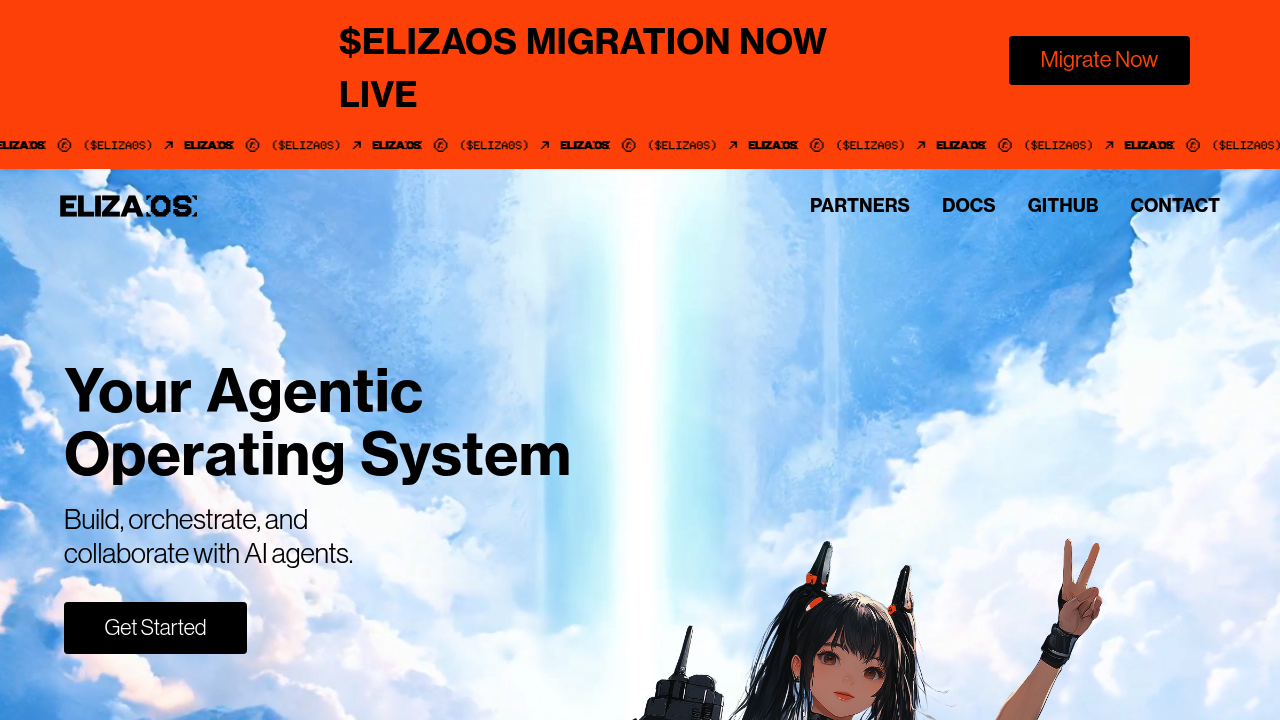
Eliza screenshot

Building multi-agent AI systems? ElizaOS handles the heavy lifting. This agentic operating system orchestrates AI agents across Discord, Telegram, X, and blockchain networks. One unified message bus ties it all together.

Composable swarms work through Worlds and Rooms architecture. Agents signal each other for delegation. Consensus happens without extra coding. Load-balancing runs automatically.

Picture a blockchain developer working on DeFi protocols. Deploy agents that monitor multiple chains. They communicate through Telegram. Execute trades based on group consensus. Strategic action chaining handles complex workflows through LLM-driven tool calls.

Modular design supports hot-swapping through 200+ npm plugins. Add new capabilities without rebuilding everything. Major integrations include Chainlink's oracle network and Stanford's digital currency initiative.

The open-source community shows serious momentum — over 1,352 contributors and 5.3K forks suggest active development. Plugin ecosystem keeps growing.

Support quality varies since this runs on community contributions. You'll find detailed documentation but troubleshooting often means digging through GitHub issues. ElizaOS handles agent communication well but debugging distributed systems gets messy fast. It works best when you need agents talking to each other across different platforms rather than simple single-agent deployments.


Frequently asked

7 questions
How does ElizaOS handle agent consensus without requiring extra coding?
ElizaOS has this built-in consensus thing that lets your agents automatically agree on stuff through its unified message bus. The voting and agreement protocols? They're handled behind the scenes -- no custom coordination code needed. It works through the Worlds and Rooms setup where agents just signal each other for delegation automatically.
Can I add new features to my ElizaOS deployment without rebuilding everything?
Yep! ElizaOS supports hot-swapping through its modular plugin system. You can pick from over 200 npm plugins and add new stuff while your agents keep running. No downtime when you're expanding abilities or connecting to new platforms.
What's the difference between single-agent tools and ElizaOS for my project?
ElizaOS really shines when you need multiple agents talking across different platforms -- Discord, Telegram, blockchain networks, you name it. Just need one agent doing one task? Simpler single-agent tools work better. ElizaOS adds complexity that only pays off when you're building agent swarms that need coordination.
How reliable is community support for troubleshooting ElizaOS issues?
Support quality's all over the place since it relies on community contributions from over 1,350 contributors. You'll get decent documentation, but when things break? You're often digging through GitHub issues to find solutions. The active dev community helps, but don't expect enterprise-level response times.
Which major platforms and services integrate directly with ElizaOS?
ElizaOS integrates with Discord, Telegram, X, and various blockchain networks right out of the box. Major partnerships include Chainlink's oracle network and Stanford's digital currency initiative. Those 200+ npm plugins expand your options -- but these core platforms get the most stable support.
What makes debugging distributed ElizaOS agent systems challenging?
Debugging gets messy because you're dealing with multiple agents running across different platforms at the same time. When something breaks, the issue could be in agent communication, platform-specific APIs, or consensus mechanisms. The distributed nature means logs are scattered everywhere -- making root cause analysis a real time sink.
How does strategic action chaining work in ElizaOS for complex workflows?
Strategic action chaining uses LLM-driven tool calls to break complex tasks into steps across multiple agents. Take a DeFi workflow -- one agent monitors prices, another executes trades, and a third handles risk management. The system coordinates these steps automatically through the message bus. Each agent triggers the next action in the chain.

Reviews (0)

No reviews yet. Be the first to share your experience.

Similar tools

See all →