
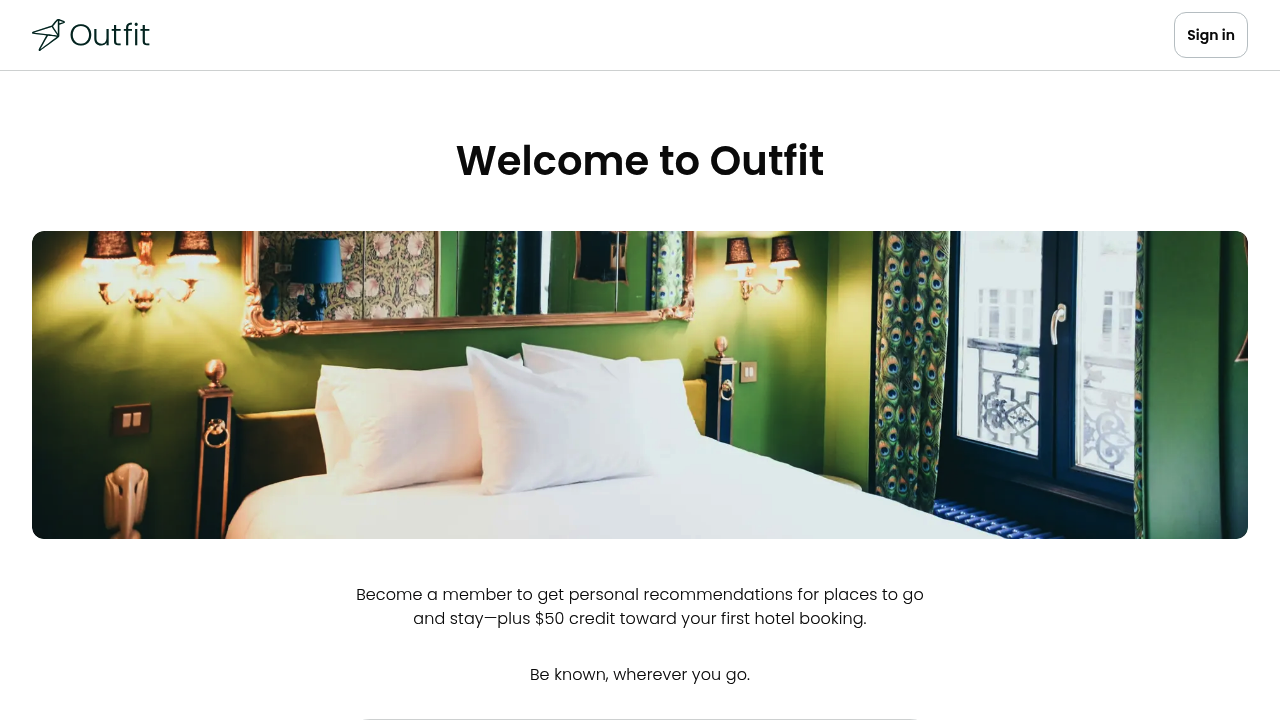
Travelers typically face hotel recommendations built on what works for the average customer. Outfit flips this approach by building a personalized matching system around individual preferences stored in what it calls a Biography. This members-only service connects users to hotels, neighborhoods, and local spots that align with their specific travel style rather than showing identical results to everyone.
The Biography system sits at the core of how Outfit operates. Users fill out preferences across multiple categories including favorite cities, hotels, neighborhoods, food preferences, drink choices, hobbies, and interests. This profile can accommodate highly specific details that most booking platforms ignore entirely. Users can add niche interests like vintage postcards, elephant towels, Ferrari history, or Glüwein spots. The system remembers these details and factors them into every search.
Search happens through natural language descriptions rather than filtered checkboxes. Users describe their upcoming trip conversationally, and the AI interprets both the trip details and the stored Biography to surface relevant matches. The service doesn't just recommend hotels. It suggests neighborhoods that fit the user's vibe and identifies nearby spots worth visiting based on the stored interests.
Companion profiles extend the personalization to group travel. When booking for multiple people, users can prioritize preferences of travel companions so recommendations reflect the group's collective priorities rather than just one person's taste.
The property database includes over 600,000 hotels worldwide. That scale matters because niche preferences require sufficient inventory to find actual matches rather than forcing compromises.
New members receive $50 credit toward their first hotel booking. Every subsequent booking earns 10% back in Outfit credit for future use. Membership fees get waived, making the service free to join and use. The credit system creates a recurring benefit for frequent travelers who book multiple trips through Outfit.
The members-only structure creates a barrier to entry. You can't browse properties or test the recommendation engine without signing up first. This differs from traditional booking sites where anyone can search and compare before creating an account.
Building a useful Biography takes effort upfront. The system needs sufficient detail to generate personalized recommendations that actually differ from generic results. Sparse profiles likely produce less distinctive suggestions. Users who travel rarely or don't have strong preferences roughly neighborhoods and local culture may not extract much value from the personalization layer.
Google sign-in provides the authentication option, streamlining the signup process for users with Google accounts.
Outfit targets travelers who've felt frustrated by booking platforms that show the same top-rated hotels to everyone regardless of personal taste. It appeals to people who care about matching a hotel's neighborhood character to their interests, who want recommendations for nearby activities they'd actually enjoy, and who've accumulated enough travel experience to know what they like. The service assumes users have developed preferences worth encoding in the first place.
The value proposition depends entirely on whether the AI matching delivers meaningfully different results than standard filters and reviews. Generic hotel booking works fine when you just need a clean room near a conference center. Outfit exists for trips where the hotel choice and surrounding neighborhood shape the experience itself.