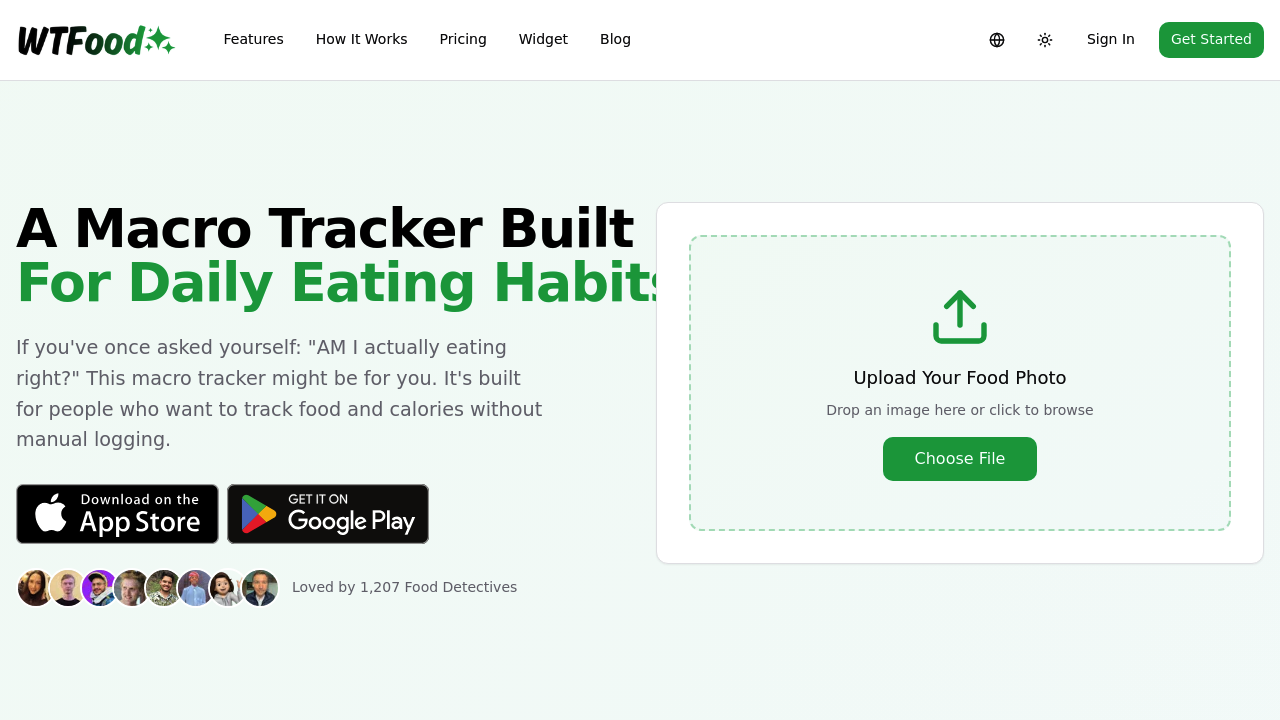
Snapping a photo of your meal and getting instant macro breakdowns removes the tedious ritual of searching food databases and weighing portions. What The Food analyzes images to identify foods, estimate calories, and calculate protein, carbs, and fat without requiring users to type ingredient lists or scroll through endless search results. This system handles portion size estimation automatically, adjusting calculations based on visual assessment of how much food appears on the plate.
The core photo analysis works through AI food detection that recognizes individual components within complex meals. A plate holding chicken, rice, and vegetables gets parsed into separate items rather than treated as a single entry. This matters for accuracy since different preparation methods and ingredient combinations affect macro totals substantially. The serving size adjuster lets users refine estimates after the initial scan if portions look off, though this feature exists only in the paid tier.
Beyond single-meal tracking, What The Food builds meal plans tailored to specific health goals, dietary restrictions, and preferences. Users input parameters like keto adherence, low-carb targets, or allergy avoidance, and the system generates eating schedules that fit those constraints. The AI recipe generator produces step-by-step cooking instructions for meals that align with tracked macro targets, while the recipe analyzer evaluates existing recipes to show their nutritional profiles before cooking.
Pattern recognition across multiple days surfaces eating trends that manual logging often obscures. The analytics identify which meals consistently hit protein targets, when calorie intake spikes during the week, or how macro ratios shift between weekdays and weekends. Health progress tracking connects these patterns to longer-term outcomes, showing whether current habits move users toward their stated goals.
The free plan provides three scans total across the lifetime of the account, functioning as a trial rather than an ongoing free option. Those three scans do not build history since scan tracking is not included at this tier. Ads appear throughout the interface, and the serving adjuster remains locked, meaning initial AI estimates can't be manually corrected. Widgets can't be customized, PDF reports aren't generated, and support comes through basic email channels only.
Premium costs $9.99 monthly, marked down from an original $14.99 price point. This tier removes scan limits entirely and stores complete scan history for reference. The ad-free experience eliminates interruptions, while enabled serving adjustments improve accuracy when the AI's initial estimate seems questionable. Customizable widgets let users arrange their dashboard to prioritize certain metrics, and PDF reports compile tracking data into shareable or printable formats. Support upgrades to premium chat channels. The macro tracking and analytics features become fully accessible, along with personalized health context that interprets data relative to individual goals and health progress tracking that maps changes over time.
The three-scan lifetime limit in free makes sustained use impossible without paying. Users can't evaluate What The Food's accuracy across different meal types or lighting conditions within that constraint. No scan history means those three attempts disappear after use, preventing any comparison or learning from past estimates. The lack of serving adjustment in free particularly constrains usefulness since AI portion estimation varies in reliability depending on photo angle, plate size, and food density.
Fitness enthusiasts tracking macros for muscle gain or fat loss represent the primary audience, especially those frustrated with manual database searches. People managing specific diets like keto need accurate carb counts that photo analysis can provide faster than ingredient-by-ingredient logging. Anyone prioritizing long-term health metrics over quick calorie checks benefits from the pattern recognition and progress tracking that connects daily choices to broader trends.